
Suhanza: The One Who Sings

(Suhanza, Post-Severing Era)
World Name: Djah (Post-Severing)
Known Continents: Suhanza, Vermeyat, Ulkora
Current Age: The Age of Spiraling Truths
The Land and Its Memory
Suhanza, is the mother continent, a land of jaurojira and renewal. It is where the pulse of Djah still beats most audibly, where stone hums beneath the skin and the winds still carry fragments of the First Song.
Though much was lost in the great cataclysm known as the Severing, Suhanza’s people remember not through words, but through vibration, rhythm, and feeling.
The continent is rich in spirit, moderate in knowledge, and mostly mapped, though deep regions of forest and canyon remain veiled.
The Three Suns of Djah
The skies of Djah are blessed, and burdened, by three suns, each representing a triad of existence and philosophy. Their movement governs time, rites, and perception itself.
Azayika, the Child Sun rises at dawn, bringing volatile morning weather that shifts unpredictably, like a child's moods. Azayika embodies curiosity and the spark of new vibration
Asha, the Mother Sun reaches zenith at midday, stable and nurturing, bringing balanced conditions that allow daily life to proceed, representing structure and endurance.
Aroro, the Father Sun appears at dusk, inviting reflection and renewal as the world transitions to rest, symbolizing memory and transformation the results of your actions living on, legacy.
The triad mirrors the Suhanari understanding of Jaurojira as cycle — rising, enduring, and falling, only to rise again.
Together they form Asayara, the Trifold Light, an eternal rhythm of birth, life, and death that shapes temporal cycles, ritual calendars, and philosophical frameworks throughout Suhanza.
A reminder that existence is never singular, only layered.
Tribes and Peoples of Suhanza
Though unified in spirit in the Anza Veil, Suhanza is a tapestry of cultures:
The Groups
Anza Veil Denizens - Forest-dwelling mystics who preserve the oldest songs; their chants form the basis of most jaurojira teachings.
Threnazem Descendants - Archivists of the lost Gyre Kingdom. Threnazem ruins are now in the Ashen Span. Archivists are scattered across Djah.
Djah-Okiras - Oracles who have devoted their lives to keeping the balance of Djah. All are Peme Euxireth, even the apprentices.
Wildsongs of the Djah - Nomads and wanderers who reject conventional society. They live by pure jauroji, scorning structure.
Jaourjis of the Zafiran Coast - Fisherfolk who sense currents through harmonic empathy. Their numbers swelled after expeditions to Ulkora failed.
Monks of Sundergate - The only recognized group outside Anza Veil teaching jaourjira. A refuge for exiles and the mashinebound.
The Anza Veil: Spiritual Heartland
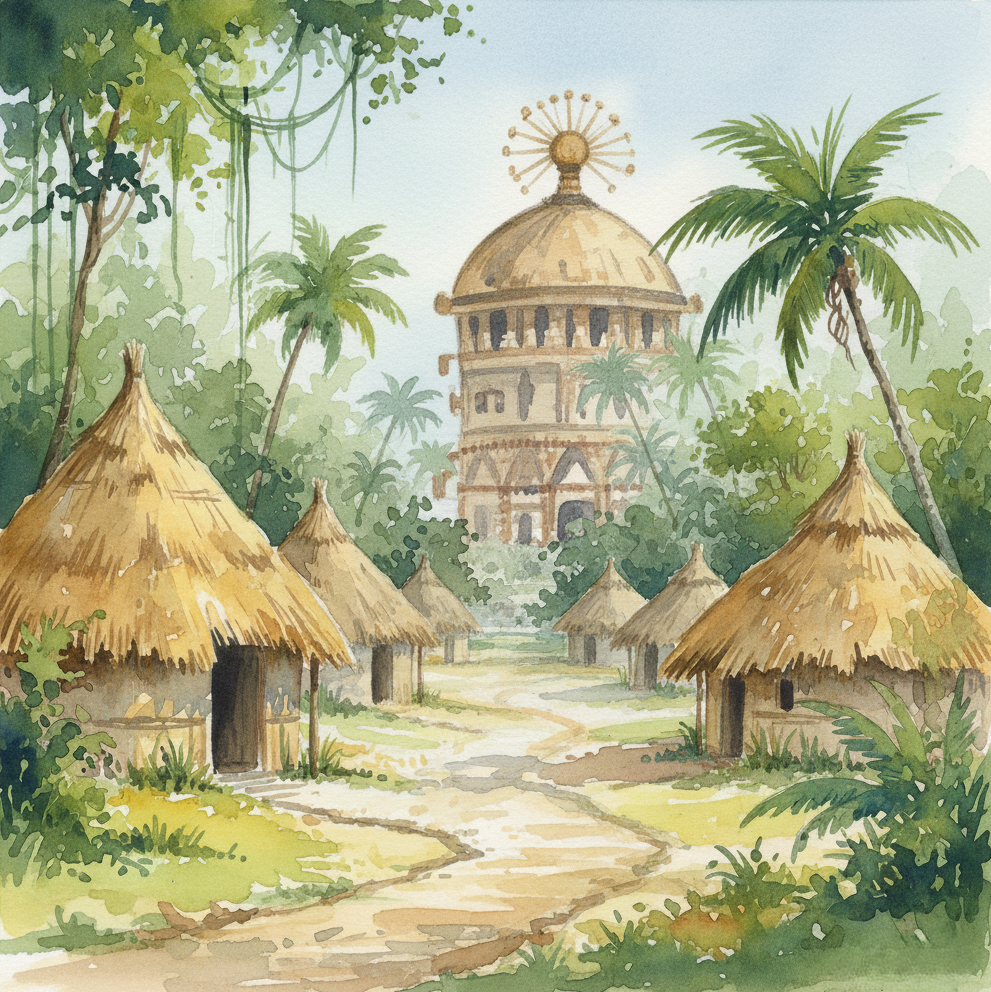
In southern Suhanza lies the Anza Veil, a vast, mist-shrouded rainforest designated as sacred territory and described as sentient sanctuary.
The Listening Forest
The Anza Veil exhibits properties that distinguish it from ordinary ecosystems:
Rivers alter flow patterns in response to vocalization
Soil crystals vibrate in measurable sympathy with truthful statements
The forest as a system responds to the internal state of those within it
This phenomenon is understood locally as "the breath of Djah", where the boundary between intent and manifestation demonstrates unusual permeability.
The Four Suhanari Tribes
The Anza Veil serves as homeland to four primary tribal groups
The Lirathi - Keepers of stillwater; meditative seers who attune to communal emotions
The Kaevor - Ashborn of volcanic terrain; purifiers who transform grief into power through ritual flame
The Tahlmerin - Heartwood kin of the ancient forest; guardians who grow living libraries in roots and sap
The Nureli - Tide-sung nomads of waterfalls; singers who preserve history in melody
Each tribe holds a fragment of the old harmony. Together, they remember what was lost.
A Spiritual Growth: The Rites of Euxen
In the Anza Veil, one’s spiritual and ethical maturity is expressed through the Rites of Euxen:
Meme Euxireth (Once Risen)
Status: Awakened to jauroji
Proficiency: Basic attunement, awareness of personal frequency
Population: General populace and apprentices
Teme Euxireth (Twice Risen)
Status: Walking the jaurojira path consciously
Proficiency: Ability to influence and imprint jauroji
Population: Members of the Jaurojiri Order
Peme Euxireth (Thrice Risen)
Status: Achieved harmonic unity
Proficiency: Channeling jauroji across all realms with precision
Population: Asayara Crown Council members
Special capacity: Only this tier retains fragments of pre-Severing truth
Those who advance swiftly through the rites are said to be Akombozu; souls reliving unfinished harmonies from past lives.
Jaurojira: The Living Energy System

At the heart of Suhanza culture lies Jaurojira; the art of working with jauroji, the phenomena existing in all things: life, matter, and thought.
The Three Core Arts
Yara Thumen (The Art of Attunement)
Perceiving the frequencies of beings and objects
Finding natural harmony rather than imposing control
Foundational practice for all other states depend on this capacity
Lira Ohnem (The Art of Impression)
Shaping and harmonising frequencies without breaking their essential nature
Characterised as dialogue rather than domination
Requires mastery of Wasira and pairing with either: Uxorim or Yirami
Myr Zaluku (The Art of Expression)
Conceiving intricate thought concepts
The highest and most dangerous art
Demands perfect balance and profound sacrifice
The Three Realms of Practice
Duraeth (Internal Realm) - Body, mind, and emotion of self; must be mastered first
Juxaeth (External Realm) - Others, objects, and environment; accessible only after internal clarity
Okrath (Astral Realm) - Spirit plane, dream-realm, and ancestral memory; requires advanced mastery
The progression is strictly hierarchical: internal understanding precedes external application, which precedes astral exploration.
The lesson is simple: Know yourself before seeking to know the world.
Core Philosophical Framework
Sympathy of the Pulse
The guiding philosophy of the Anza Veil posits that every being carries a vibration capable of either aligning with or disrupting greater harmony.
Central tenet: "To live rightly is to resonate truthfully."
Deception, greed, and cruelty generate shavonu, which manifests as measurable effects in the Anza Veil: sickness, misfortune, or in extreme cases, disappearance. The forest actively rejects those whose frequencies create excessive discord.
The Three Movements of Becoming

Ancient philosophical framework attributed to pre-Severing wisdom:
Wasira - To know one's own frequency
Uxorim - To offer it freely
Yirami - To unite with another
These principles function as both spiritual ideals and practical foundations for jaurojira technique.
Governance: The Suhanari Jaurojira Agizo
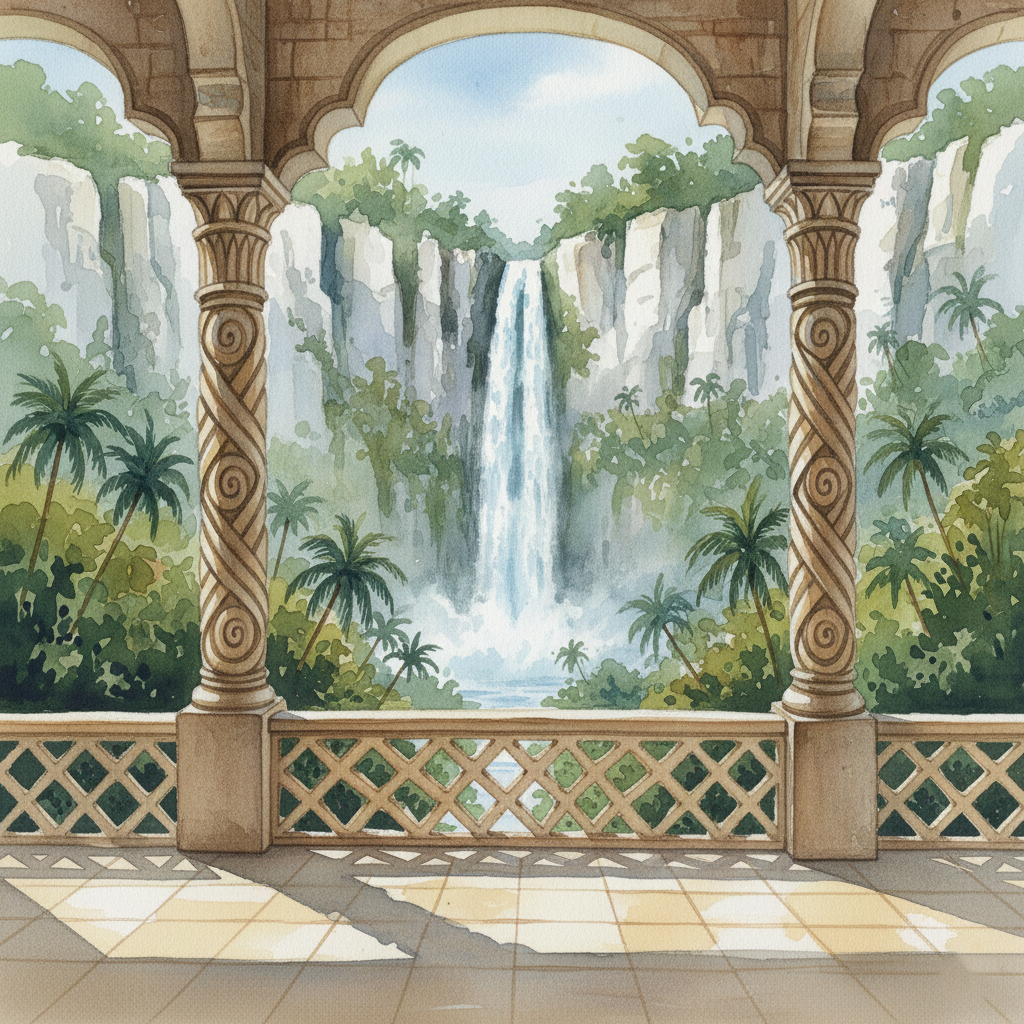
The Anza Veil operates under the Suhanari Jaurojira Agizo (SJA), a triune governing structure balancing spiritual, intellectual, and practical authority.
The Asayara Crown Council
Focus: Spiritual harmony and collective guidance
Leadership: Peme Euxireth
Responsibilities: Maintain spiritual integrity, interpret the First Song, identify and train exceptional practitioners
The Order of the Jaurojiri Officials
Focus: Historical preservation and mentorship
Leadership: Teme Euxireth and archivists specializing in pre-Severing knowledge
Responsibilities: Teach jaurojira practices, preserve fragmented history, operate training grounds
The Preservation Guard
Focus: Practical governance and enforcement
Leadership: Teme Euxireth and Meme Euxireth
Responsibilities: Uphold laws, protect against external threats, maintain social harmony
The SJA is culturally known as "The Preservers of the Song", referencing their stated mission to maintain what they identify as the First Song, the original wave pattern of creation that fractured during the Severing.
Regional Diversity Within Suhanza
While the Anza Veil serves as spiritual center, Suhanza contains numerous other significant regions:
The Sundergate Mountains
Home to monasteries offering jaurojira instruction
Notably the only recognized teaching institution outside Anza Veil
Functions as refuge for exiles and those affected by rhovaski integration
The Ashen Span
Haunted desert containing rhovask ruins
Site of ancient Threnazem, the fallen pre-Severing city
Designated as forbidden zone
The Hollow Reaches
Crystalline canyon systems with acoustic amplification properties
Dangerous for practitioners lacking strong internal attunement
Thoughts and memories become overwhelming in this environment
Zafiran Coast
Coastal region inhabited by fisherfolk practicing harmonic empathy
Traditional departure point for expeditions to Ulkora
Home to Zimeyat, a settlement designated for Ulkori visitors
Each region maintains distinct cultural practices and relationships with jaurojira, though all acknowledge the spiritual primacy of the Anza Veil.
Social Structure and Daily Practice
Life in Harmony
Suhanza culture, particularly within the Anza Veil, structures daily life around:
Regular meditation sessions for jauroji attunement
Community gatherings affirming shared philosophical principles
Responsive interaction with the forest environment
The Great Prohibition
One fundamental law shapes all Suhanza society: rhovask is forbidden.
The practice of rhovask is strictly prohibited and under penalty of death. Official doctrine maintains this prohibition prevents repetition of catastrophic events from pre-Severing history.
Historical Context: The Severing
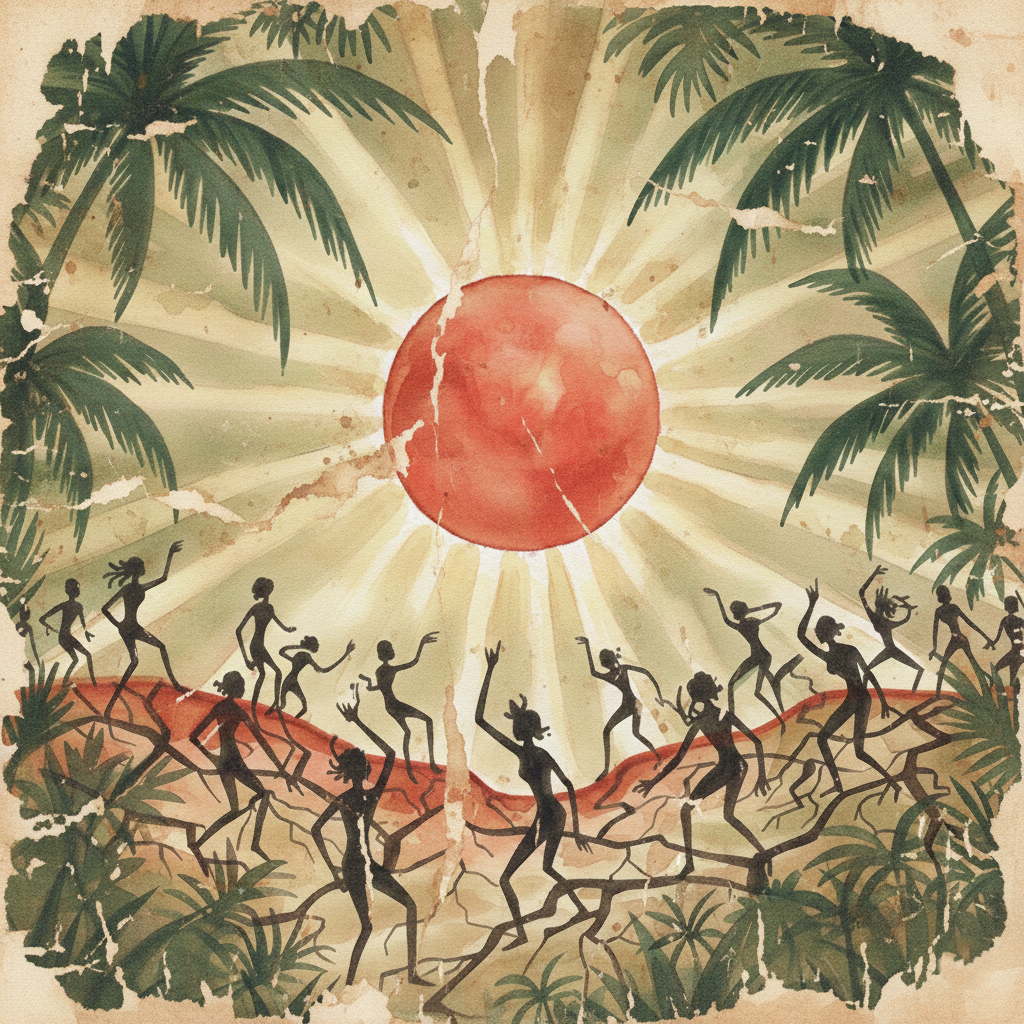
The defining event in Suhanza history is the Severing, a cataclysm that occurred at an unknown point in the past, fracturing the unified world into three separate continents and causing massive memory loss.
What was lost:
Geographic unity (world split into Suhanza, Vermeyat, Ulkora)
Collective memory and historical records
The First Song that maintained universal harmony
Advanced knowledge systems including the Vault Network
What survived:
Fragments preserved by those who achieved highest spiritual recognition
Ruins of pre-Severing civilization
The Anza Veil itself, described as "last living fragment of the First Song"
Regional effects: Each continent retained different capacities, Suhanza kept harmony but lost curiosity; Vermeyat preserved knowledge but lost nature; Ulkora clung to instinct but severed from memory.
The nature, cause, and full scope of the Severing remain subjects of intense scholarly debate and spiritual inquiry.
The Rejoining Prophecy
Among Suhanari and particularly within Djah-Okiras, a prophecy persists:
One day the jaurojira will unify again, and we will become whole once more.
This Rejoining concept suggests possibility of reversing the Severing, reconnecting the three continents physically or spiritually, reassembling scattered jaurojira knowledge, and restoring the First Song.
Status: Debated whether literal, metaphorical, possible, or inevitable. Some work toward it, some fear it, some dismiss it entirely.
Ashelewa: The Highest Ideal
Ashelewa, "the Kingdom Reached Beyond", represents the pinnacle of Suhanari spiritual philosophy.
Definitions vary by ideology:
Jaurojiri: A literal hidden dimension accessible only through perfect jauroji mastery
Umzou: A state of enlightenment representing complete harmonic equilibrium
Djah-Okiras: An omnipresent frequency accessible through dreams or deep memory trance
Practical meaning: "Walking toward Ashelewa" describes living in balance and truth, where each action becomes a note contributing to the universe's ongoing symphony.
The concept bridges religious belief and philosophical practice, receiving symbolic reverence even from pragmatic governance structures like the Asayara Crown Council.
Suhanza in Continental Context
Of the three post-Severing continents:
Suhanza (The Spiritual Core)
Retained: Greatest capacity for harmony and spiritual practice
Lost: Curiosity and drive for innovation
Cultural priority: Preservation of balance
Vermeyat (The Isolated Mind)
Retained: Knowledge, intellectual capacity, archival systems
Lost: Connection to nature and living world
Cultural priority: Understanding through study
Ulkora (The Primal Frontier)
Retained: Instinct, survival capacity, raw connection to nature
Lost: Memory, history, tradition
Cultural priority: Adaptation and endurance
Suhanza functions as diplomatic middle ground between Vermeyat and Ulkora, which maintain mutual distrust. The SJA brokers filtered knowledge exchange while keeping general Anza Veil population unaware of external continental affairs.
Contemporary Tensions
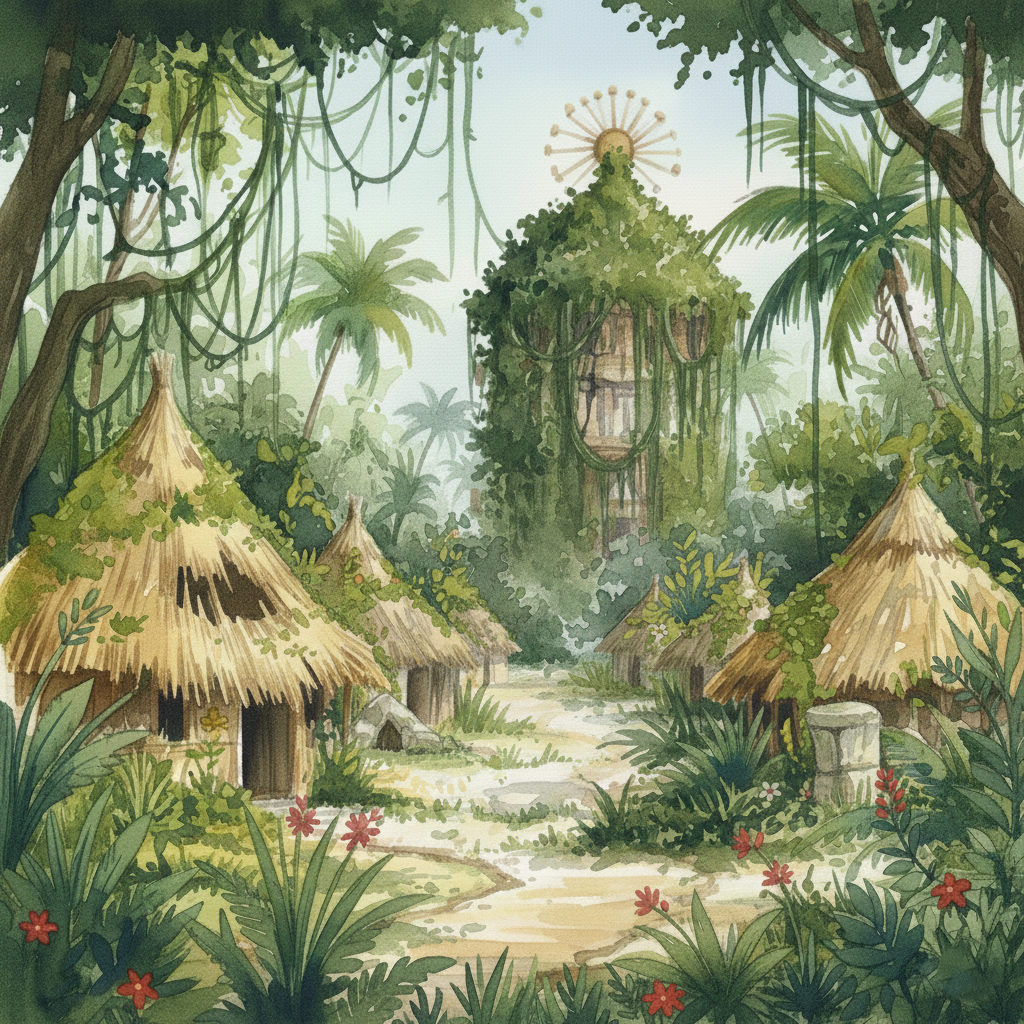
Current era (Age of Spiraling Truths) sees multiple convergent developments:
Within Suhanza:
Rexulans defecting to Ulkora, citing restrictive environment
Growing questions about official historical narratives
Tension between preservation and innovation
Cross-Continental:
Oranyx awakening in Vermeyat triggering ideological movements
Increased secret diplomatic activity
Signs suggesting systemic changes approaching
Philosophical:
Debate intensifying regarding Djah Cipher
Prophecies about Rejoining gaining renewed attention
Questions about the true nature of the Severing
The period is characterized by simultaneous stability and underlying instability—surface harmony concealing deeper unresolved tensions.
Final Note
Suhanza represents a civilization prioritizing spiritual harmony and ecological integration over technological advancement or territorial expansion. The culture demonstrates sophisticated understanding of resonance, frequency, and consciousness while maintaining deliberate barriers against certain forms of knowledge acquisition.
The tension between preservation and progress, between harmony and stagnation, between truth and comfortable narrative defines contemporary Suhanza. Whether this balance represents wisdom or limitation remains an open question as external pressures and internal doubts increasingly challenge established order.
Historical Points of Interest
Age of Survival: Reemergence of Jaurojira, age of rediscovery and rebuilding.
Age of Silence: Rhovask rises; Jaurojira begins to fade.
Veluna War: War between flesh and mashine; rhovask collapse.
Age of Spiraling Truths (Present Day): Echoes of the past stir.
“Suhanza: where harmony functions not as absence of conflict, but as framework for understanding that enables resolution.” - Jyukrael, Threnazem Archivist